

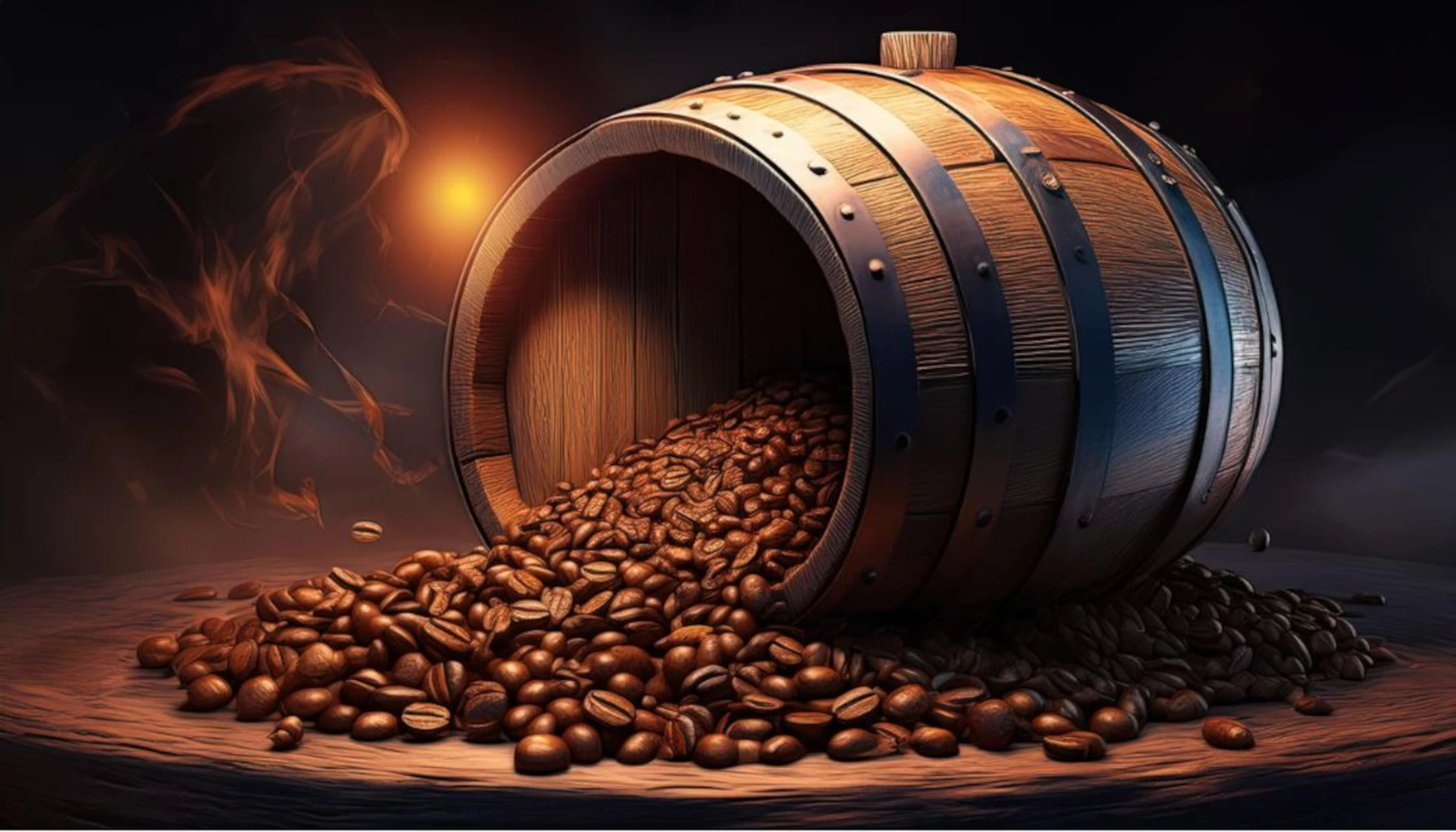
Barrel-Aged Coffee from Colombia: A Unique Journey of Flavor and Craftsmanship
Colombia has long been celebrated for its exceptional coffee, but a new innovation is redefining the experience: barrel-aged coffee. Unlike traditional methods that focus solely on cultivation and roasting, barrel aging introduces a novel step in the process, infusing coffee beans with the nuanced flavors and aromas of barrels previously used for spirits like whiskey, rum, or wine.
Barrel-aged coffee from Colombia is not fermented—rather, it undergoes an aging process where beans absorb the rich characteristics of the barrels. This artisanal technique creates a coffee experience that is as luxurious as it is rare, combining the richness of Colombian coffee heritage with the sophistication of barrel aging.
What is Barrel Aging in Coffee?
Barrel aging in coffee is a craft-driven technique where green, unroasted coffee beans are aged in barrels that previously held spirits like whiskey, rum, or wine. This process infuses the beans with the intricate flavors and aromas left behind in the wood, creating a coffee experience that’s both bold and complex.
Unlike traditional coffee production, barrel aging marries the artistry of coffee roasting with the rich heritage of spirit making, resulting in brews that captivate with notes of oak, caramel, fruity undertones, or spiced warmth. The result is a distinct, multi-layered coffee profile that appeals to adventurous coffee enthusiasts and connoisseurs alike.

How Barrel Aging Works
Selection of Barrels
The first step in the process is choosing barrels with specific flavor profiles based on their previous use. Each type of barrel imparts a unique character to the coffee:
- Whiskey Barrels: Contribute notes of vanilla, oak, caramel, and sometimes a hint of smokiness.
- Rum Barrels: Add molasses sweetness, tropical fruitiness, and warm spices like cinnamon or nutmeg.
- Wine Barrels: Offer fruity and floral nuances such as red berries, plum, or even hints of chocolate and tannins.
The selection process is critical, as the previous contents and the condition of the barrels significantly influence the final taste.
Placement of Green Coffee Beans
Green coffee beans, which are naturally porous, are chosen for this process due to their high absorbency. These beans are placed directly into the barrels, where they absorb the residual flavors and aromas trapped in the wood.
- Rotation: The beans are periodically rotated to ensure even exposure to the barrel’s interior, maximizing flavor absorption and preventing uneven results.
- Climate Control: The environment is closely controlled, as factors like humidity and temperature can impact how effectively the beans take on the barrel’s characteristics.
Aging Period
The duration of the aging process varies, depending on the intensity of flavor desired and the type of barrel used.
- Timeframe: Aging typically lasts from a few weeks to several months.
- Monitoring: Coffee producers carefully monitor the beans throughout the process to avoid over-aging, which can lead to overpowering or unbalanced flavors.
This stage requires precision and experience to strike the perfect balance between the barrel’s influence and the coffee’s inherent qualities.
Roasting After Aging
Once the beans have absorbed the barrel’s flavors, they are roasted to lock in their unique profile.
- Customized Roasting: The roasting process is tailored to preserve the delicate notes imparted by the barrel while enhancing the coffee’s natural attributes.
- Highlighting Flavors: For example, a lighter roast may emphasize fruity and floral notes, while a medium roast can highlight caramel and spice undertones.
The roasting process is the final step in transforming barrel-aged coffee beans into a one-of-a-kind beverage that showcases the marriage of two crafts: coffee and spirits.
Why Barrel-Aged Coffee?
Barrel-aged coffee appeals to those seeking an innovative and elevated coffee experience. Whether it’s the hint of whiskey’s warmth, rum’s tropical flair, or wine’s fruity elegance, this process offers a sensory adventure. Perfect for sipping on its own or pairing with desserts and savory dishes, barrel-aged coffee is a testament to the limitless creativity in coffee production.

Notable Producers of Barrel-Aged Coffee in Colombia
Colombia, renowned for its high-quality coffee, has seen innovative producers embracing barrel-aging techniques to craft extraordinary brews. These coffees not only celebrate the country’s rich coffee-growing traditions but also reflect a spirit of experimentation and dedication to excellence. By blending the natural qualities of Colombian coffee beans with the nuanced flavors of aged barrels, these producers are redefining coffee craftsmanship. Each brand showcases its unique approach to the barrel-aging process, resulting in a wide range of flavors that appeal to connoisseurs and adventurous drinkers alike.
Here are some of the most notable producers of barrel-aged coffee in Colombia:
1. Café San Alberto – Wine Barrel-Aged Coffee
Café San Alberto is a celebrated coffee producer located in Quindío, one of Colombia’s most iconic coffee regions. Known for its commitment to quality and innovation, the brand has earned multiple awards for its exceptional single-origin coffees. Among their standout offerings is a wine barrel-aged coffee that encapsulates the elegance of Colombia’s coffee and wine heritage.
The Process:
- The green coffee beans are aged in barrels that previously held premium Colombian wines.
- Over time, the beans absorb delicate fruity and floral notes from the wine-infused wood, enriching their natural flavor profile.
- This meticulous process ensures the beans retain their freshness while taking on the subtle complexity of the wine.
Flavor Notes:
- Red fruits like cherries and strawberries.
- Hints of plum and delicate floral undertones.
- A silky smooth body complemented by balanced acidity, making this coffee a sophisticated choice for discerning palates.
2. La Palma y El Tucán – Whiskey and Rum Barrel-Aged Coffees
La Palma y El Tucán is an experimental coffee farm located in the lush hills of Cundinamarca. Known for pushing boundaries in coffee production, they specialize in small-batch artisan coffees that celebrate Colombia’s diverse terroir. Their barrel-aged coffees, crafted with whiskey and rum barrels, are a testament to their innovative spirit.
The Process:
- Green coffee beans are carefully placed in whiskey and rum barrels, where they are aged under controlled conditions to absorb the barrel’s essence.
- Each batch undergoes frequent monitoring to ensure an optimal flavor balance between the beans’ natural characteristics and the barrel’s influence.
Flavor Notes:
- Whiskey Barrels: Offer rich caramel, oaky undertones, and warm spice.
- Rum Barrels: Contribute molasses sweetness, hints of tropical fruit, and brown sugar richness.
- The result is a bold and complex coffee experience that showcases the marriage of coffee and spirits.

3. Café 1959 – Rum Barrel-Aged Coffee
Café 1959 is a premium coffee brand that celebrates Colombia’s deep-rooted traditions in both coffee and rum. Their rum barrel-aged coffee is a luxurious offering that highlights the natural synergy between two of Colombia’s most iconic products.
The Process:
- Beans are sourced from select Colombian coffee farms and aged in barrels previously used by top rum distilleries.
- During the aging period, the beans absorb the aromatic essence of the rum, resulting in a rich and decadent flavor profile.
Flavor Notes:
- Dark chocolate and molasses create a deep, dessert-like richness.
- Subtle spice notes add warmth and complexity.
- This coffee is perfect for those who enjoy bold, indulgent flavors with a smooth finish.

4. Café Granja La Esperanza – Award-Winning Barrel-Aged Micro-Lots
Café Granja La Esperanza is a pioneer in experimental coffee production, known for its meticulous attention to detail and innovative techniques. Based in Valle del Cauca, this farm produces micro-lots of barrel-aged coffee that have won numerous international awards. Their coffees are celebrated for their exceptional quality and unique flavor profiles.
The Process:
- The beans are aged in wine and whiskey barrels, with each lot treated as a distinct project.
- Environmental factors such as temperature and humidity are tightly controlled to ensure the beans develop the desired complexity without overpowering their inherent qualities.
Flavor Notes:
- Bright notes of berries, including raspberry and blackberry.
- Tropical fruit undertones add a refreshing dimension.
- Hints of oak provide depth, making this coffee a favorite among competition judges and specialty coffee enthusiasts.
Why Barrel-Aged Coffee is Special
Barrel-aged coffee is not just another coffee trend—it’s a fusion of artistry, tradition, and innovation that results in a one-of-a-kind sensory experience. By marrying the time-honored craft of spirit aging with the delicate nuances of coffee production, this process creates an extraordinary beverage that offers depth, exclusivity, and unparalleled complexity. Barrel-aged coffee takes you on a flavor journey that bridges the worlds of coffee and fine spirits, delivering an indulgent experience for the discerning palate.
Here’s what makes barrel-aged coffee truly exceptional:
1. Unique Flavor Profiles
The defining feature of barrel-aged coffee is its rich, multidimensional flavor. The green coffee beans absorb the flavors and aromas left behind in the barrels, and the result is a coffee experience like no other. The type of barrel plays a significant role in shaping the coffee’s taste:
- Whiskey Barrels: Impart bold notes of oak, caramel, vanilla, and warm spices, creating a rich and comforting cup.
- Rum Barrels: Add tropical sweetness with hints of molasses, brown sugar, and subtle fruitiness.
- Wine Barrels: Infuse the beans with fruity elegance, including red berries, plum, and delicate floral undertones, often complemented by a hint of acidity.
These flavor profiles are both distinctive and sophisticated, appealing to coffee lovers and spirit enthusiasts alike.
2. Artisanal Craftsmanship
The process of creating barrel-aged coffee is a testament to the skill and dedication of coffee artisans. It demands meticulous attention to detail at every stage:
- Climate Control: Maintaining precise temperature and humidity levels to ensure the beans absorb the right amount of flavor without losing their natural qualities.
- Timing: Determining the optimal aging period to achieve a harmonious balance between the coffee’s inherent characteristics and the barrel’s influence.
- Expert Roasting: Tailoring the roasting process to highlight the barrel’s contribution while preserving the coffee’s unique attributes.
This labor-intensive process reflects a deep respect for both the coffee and the barrels, elevating the craft to an art form.
3. Rarity and Exclusivity
Barrel-aged coffee is not mass-produced. It is crafted in small, carefully monitored batches due to the limited availability of high-quality barrels and the time-consuming nature of the process. Each batch is distinct, shaped by variables such as the type of barrel, the aging duration, and the origin of the coffee beans.
This rarity and exclusivity make barrel-aged coffee a coveted item for collectors and coffee connoisseurs seeking something truly special.
4. Fusion of Coffee and Spirit Traditions
Barrel-aged coffee represents a perfect blend of two worlds: the rich heritage of coffee cultivation and the sophisticated techniques of spirit aging. It embodies the collaboration of two traditions that share a common thread—passion for flavor and quality.
By using barrels from whiskey, rum, or wine production, barrel-aged coffee captures the essence of these beloved spirits and infuses it into one of the world’s most cherished beverages. This fusion appeals to adventurous coffee drinkers and those with a refined taste for innovative culinary experiences.

How to Brew Barrel-Aged Coffee
To fully appreciate barrel-aged coffee, it’s essential to use brewing methods that highlight its complexity.
Best Brewing Methods:
- Pour-Over (Chemex or V60):
- Ideal for preserving the coffee’s intricate flavors.
- Use medium-fine grind and brew for 3–4 minutes.
- French Press:
- Highlights the body and richness of the coffee.
- Use coarse grind and steep for 4 minutes.
- Espresso Machine:
- Intensifies the unique barrel-aged notes.
- Use fine grind and brew under high pressure.
- Cold Brew:
- Brings out smooth and subtle flavors with a clean finish.
- Steep coarse grind in cold water for 12–24 hours.

Where to Buy Barrel-Aged Coffee
Due to its exclusivity, barrel-aged coffee is typically available in limited quantities through specialty roasters or directly from producers. Some places to explore include:
- Café San Alberto and La Palma y El Tucán
- Specialty coffee retailers like Volcanica Coffee
- Local artisan roasters offering seasonal batches
The Luxury of Barrel-Aged Coffee
Barrel-aged coffee represents the pinnacle of innovation and craftsmanship in Colombian coffee production. By combining the artistry of barrel aging with Colombia’s world-renowned coffee beans, producers have created a product that offers a truly unique and luxurious experience.
Whether you prefer the warm richness of whiskey barrels, the tropical sweetness of rum barrels, or the fruity elegance of wine barrels, barrel-aged coffee invites you to explore a new dimension of flavor and tradition.
FAQs: Barrel-Aged Coffee
Q1: Is barrel-aged coffee alcoholic?
No, barrel-aged coffee does not contain alcohol. The aging process infuses the beans with flavors and aromas from the barrels without retaining any alcohol.
Q2: How long does barrel aging take?
The process typically lasts several weeks to a few months, depending on the desired flavor intensity.
Q3: What’s the difference between barrel-aged and regular coffee?
Barrel-aged coffee absorbs unique flavors from the barrels, such as vanilla, caramel, or red berries, adding complexity and richness not found in regular coffee.
Would you like recommendations on specific barrel-aged coffees to try or tips for brewing the perfect cup?
Q4: Can you brew barrel-aged coffee using any method?
Yes, barrel-aged coffee can be brewed using any method, including pour-over, French press, espresso, or drip coffee makers. Each method highlights different flavor nuances, so experimenting can enhance your experience.
Q5: Does the type of coffee bean matter in barrel aging?
Absolutely! High-quality green coffee beans with distinct flavor profiles are chosen for barrel aging to ensure they complement the barrel’s characteristics, resulting in a balanced and flavorful final product.
Q6: Can I age my own coffee beans in a barrel at home?
While it’s possible to age coffee beans at home using a small barrel, the process requires precise control of factors like humidity, temperature, and rotation to achieve optimal results. Without proper expertise, the beans might not absorb the flavors evenly or could lose their quality.