

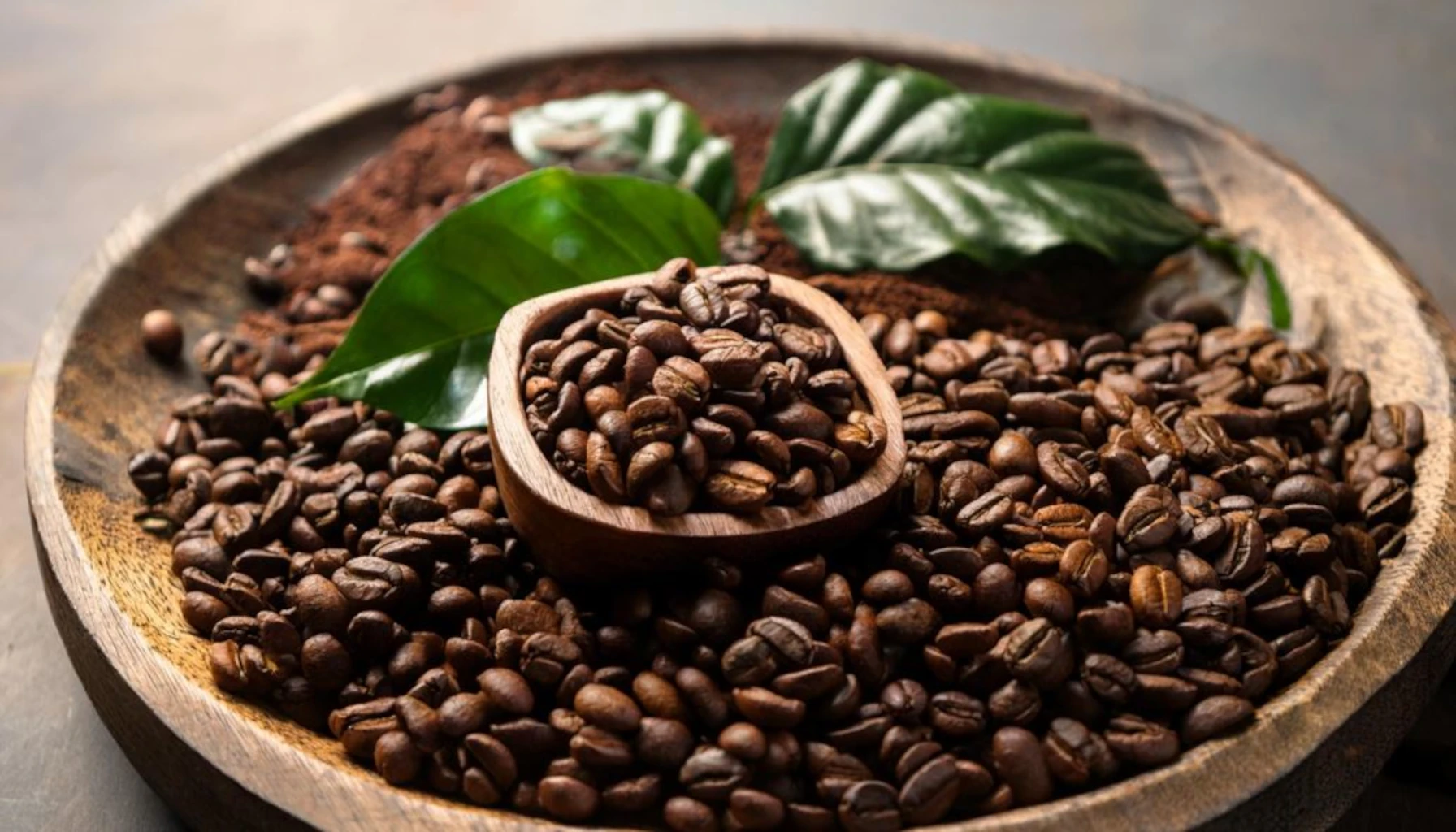
Nano-Lot & Natural Process Colombian Coffee: Exclusive Beans & Unique Flavors
What Are Nano-Lot Coffees?
Nano-lot coffees represent the pinnacle of exclusivity in the specialty coffee world. These ultra-small batches, often limited to just a few bags per harvest, showcase the most refined flavors a farm can produce. While micro-lots range from 5 to 50 bags per season, nano-lots take exclusivity to the next level, sometimes yielding only a handful of bags from a single plot or a select group of trees.
In Colombia, a country renowned for its diverse coffee-growing regions, nano-lot coffees highlight exceptional terroirs, experimental processing methods, and rare varieties. Farmers dedicate their time, knowledge, and craftsmanship to these small-batch productions, ensuring unparalleled quality, traceability, and complexity in every cup.
These exclusive coffees are often sourced from high-altitude farms, where unique microclimates, rich volcanic soil, and meticulous harvesting techniques contribute to their outstanding sensory characteristics. Due to their limited production, nano-lots are typically reserved for coffee auctions, exclusive roasters, and coffee competitions.
The Unmatched Quality of Nano-Lot Coffee
Nano-lot coffees are celebrated for their exceptional flavor complexity, which results from the interplay of altitude, climate, variety, and processing innovation. Several factors contribute to their superior quality:
1. High-Altitude Cultivation (1,500–2,200 Meters Above Sea Level)
Nano-lot coffees are typically grown at high elevations, where lower temperatures slow down the maturation of coffee cherries, allowing them to develop more sugars and organic acids. This extended ripening process enhances sweetness, acidity, and intricate flavor notes, setting nano-lots apart from larger-scale productions.

2. Extreme Selectivity in Harvesting
Unlike commercial coffee production, where efficiency is prioritized, nano-lot farms focus on quality over quantity. Every cherry is:
- Hand-picked at peak ripeness, ensuring the highest possible sugar content.
- Sorted multiple times to remove underripe, overripe, or defective beans.
- Processed immediately after picking to maintain freshness and optimal flavor.
This level of precision and selectivity results in a cleaner, more expressive cup.
3. Experimental Fermentation Techniques
Nano-lot coffee producers push the boundaries of coffee fermentation to create distinct and memorable flavor profiles. Some of the most innovative techniques include:
- Anaerobic Fermentation: Cherries or pulped beans are fermented in oxygen-free tanks, enhancing fruity and wine-like characteristics.
- Carbonic Maceration: Inspired by winemaking, this method ferments coffee in a controlled CO₂ environment, producing complex and layered flavors.
- Extended Fermentation: Longer fermentation times allow for deeper sugar breakdown, yielding unique taste profiles like tropical fruit, spice, or floral notes.
These cutting-edge fermentation techniques make nano-lot coffees extraordinary, rare, and highly sought after by coffee enthusiasts worldwide.
4. Limited Availability & Exclusivity
Since nano-lots are harvested in such small quantities, their exclusivity adds to their allure. Most nano-lots are sold directly to high-end roasters or featured in international coffee auctions, making them difficult to access for the average coffee consumer.
Each nano-lot is a singular expression of a farm’s best work, making every batch unique and irreplicable—even within the same farm, variations occur from season to season due to subtle changes in weather, soil, and processing techniques.

La Palma y El Tucán: A Leader in Colombian Nano-Lot Coffee
One of Colombia’s most renowned nano-lot coffee producers is La Palma y El Tucán, an innovative farm located in Cundinamarca, a region known for its lush landscapes and ideal coffee-growing conditions.
What Makes La Palma y El Tucán Special?
- Processing Innovations: The farm specializes in cutting-edge fermentation methods, including lactic and citric fermentation, which enhance the coffee’s fruitiness, acidity, and complexity.
- Sustainability & Collaboration: They work closely with local small-scale farmers, helping them improve their coffee quality and gain access to specialty markets.
- Rare & Exotic Varieties: La Palma y El Tucán cultivates some of the most sought-after coffee varieties, such as Gesha, Sidra, and Bourbon, which are known for their exceptional cup quality and unique sensory profiles.
This farm has gained international recognition for pioneering nano-lot production in Colombia, solidifying its reputation as a leader in specialty coffee innovation.
Why Should You Try Nano-Lot Coffee?
If you’re a coffee connoisseur, experiencing a nano-lot coffee is akin to tasting a rare, vintage wine—it’s a one-of-a-kind sensory experience that captures the absolute best a farm has to offer.
Reasons to Try Nano-Lot Coffee:
- Unparalleled Flavor Complexity – Nano-lot coffees often feature notes of tropical fruit, florals, caramel, citrus, or wine-like characteristics that are rarely found in commercial-grade coffee.
- Ultra-Exclusive & Limited Availability – Since these coffees are produced in microscopic quantities, each cup is a truly rare experience.
- Support for Innovative & Sustainable Farming – Purchasing nano-lot coffee directly supports farmers who push the boundaries of quality, sustainability, and innovation.
- A Coffee Experience Like No Other – If you’re passionate about coffee, nano-lots represent the highest level of craftsmanship and dedication in the industry.
By indulging in nano-lot Colombian coffees, you’re not just drinking coffee—you’re experiencing the artistry, passion, and terroir of Colombia’s most exclusive farms.
Natural Process Colombian Coffee: A Return to Tradition
Understanding Natural vs. Washed Processing
Colombia is traditionally known for its washed coffee, where beans are depulped, fermented, and washed to remove the mucilage before drying. However, the natural process, in which coffee cherries are dried with the fruit still intact, is making a strong comeback.
Key Differences:
- Natural Process: Cherries dry whole, allowing the fruit’s sugars to infuse into the beans, resulting in bold, fruity, and wine-like flavors.
- Washed Process: The mucilage is removed early, highlighting the coffee’s clarity, acidity, and terroir characteristics.

Why Is Natural Process Coffee Gaining Popularity in Colombia?
Historically, Colombia’s humid climate made washed processing the most practical choice. However, with improved drying techniques, farmers are embracing the natural process to enhance coffee complexity and sweetness. This shift has led to:
- A rise in experimental batches from small-scale farmers.
- Recognition in international coffee competitions.
- Increased demand from specialty roasters seeking vibrant, fruit-forward flavors.

Famous Colombian Regions for Natural Process Coffee
Several regions in Colombia are now producing exceptional natural coffees, thanks to their favorable climates and innovative farmers.
Huila
Huila is Colombia’s leading specialty coffee region, known for its high elevations and volcanic soil. Farmers here are experimenting with natural processing to create coffees with tropical fruit notes, bright acidity, and silky body.
Antioquia
Antioquia is traditionally a washed coffee region, but younger generations of farmers are adopting the natural process. The result? Complex coffees with notes of berries, chocolate, and floral undertones.
Cauca
This region produces some of the most vibrant and fruit-forward natural coffees in Colombia. With its cool climate and slow drying process, Cauca’s natural coffees often exhibit deep, jammy flavors and a syrupy mouthfeel.

Why Should You Try Natural Process Colombian Coffee?
- Bold & Unique Flavors: Expect tasting notes of red berries, tropical fruit, and chocolate.
- Sustainable & Less Water-Intensive: The process requires little to no water, making it an eco-friendly choice.
- Exciting Variety: Natural coffees showcase a different side of Colombian coffee beyond its classic washed profiles.

Experience the Best of Colombian Specialty Coffee
Both nano-lot coffees and natural process Colombian coffees are redefining the future of specialty coffee in Colombia. These exceptional brews highlight rare terroirs, innovative processing techniques, and meticulous craftsmanship, delivering flavors that are both unique and unforgettable.
Whether you’re indulging in an exclusive nano-lot from La Palma y El Tucán or savoring a fruit-forward natural coffee from Huila, each cup tells a story of dedication, tradition, and innovation.
By exploring these rare and experimental Colombian coffees, you’re not just discovering extraordinary flavors—you’re also supporting farmers and producers who are pushing the boundaries of coffee quality, sustainability, and excellence.
For coffee enthusiasts and connoisseurs alike, nano-lot and natural process Colombian coffees offer an unmatched experience. If you’re ready to elevate your coffee journey, these specialty brews are a must-try.