

Exploring Colombia’s Northern Coffee Region: Warm Climate, Low Acidity, and Rich Chocolatey Notes
Colombia is globally recognized for its exceptional coffee, but not all regions produce the same flavor profiles. The Northern Coffee Region of Colombia stands out due to its warmer climate, lower acidity, and rich chocolatey and nutty notes, making it a favorite among coffee enthusiasts who prefer smooth, full-bodied brews.
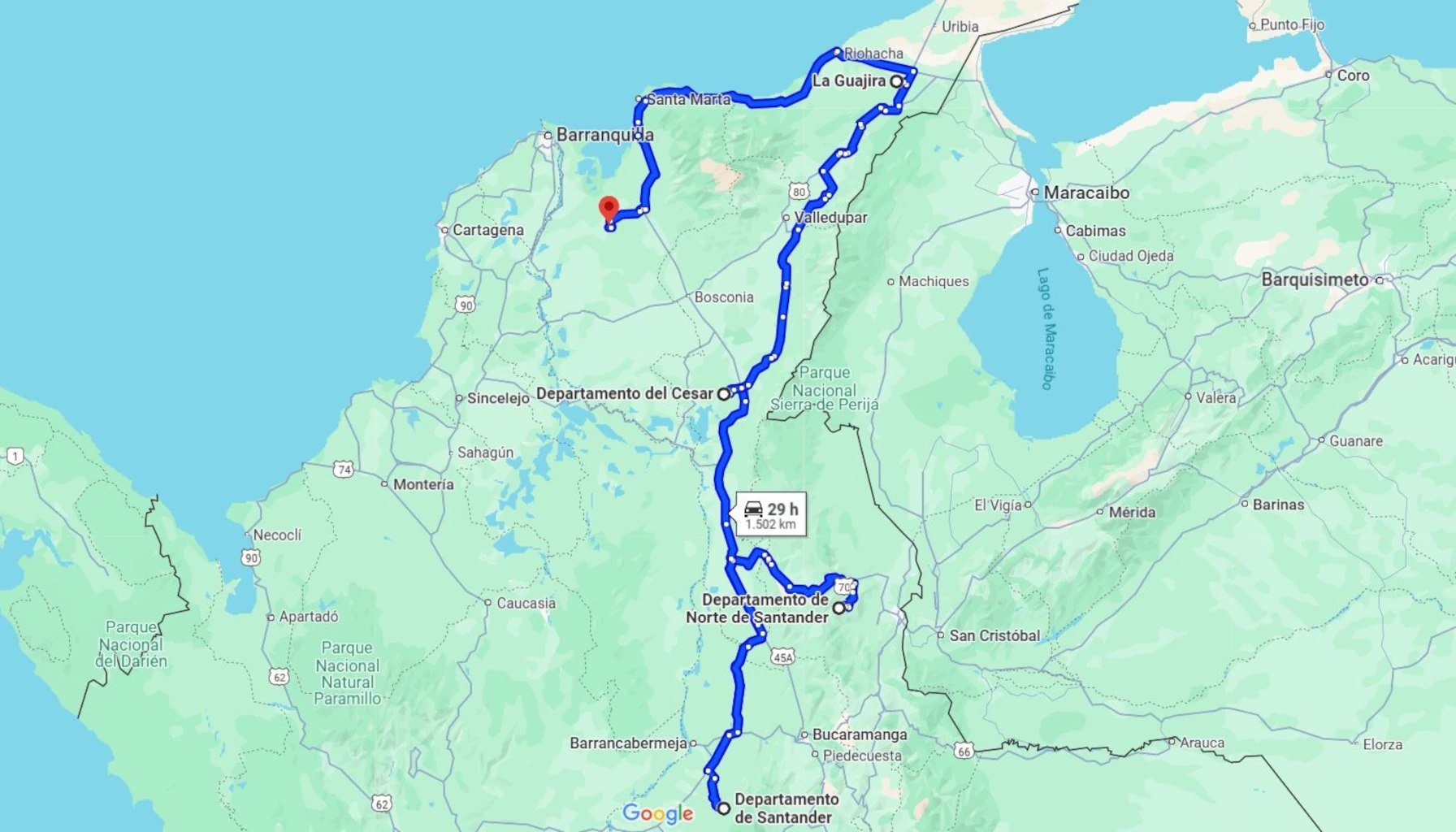
This region includes five key departments: Santander, Norte de Santander, Cesar, La Guajira, and Magdalena. Each contributes unique characteristics to Colombia’s diverse coffee landscape. Let’s explore the distinct qualities of coffee grown in northern Colombia.
The Unique Coffee Profile of Northern Colombia
Unlike the high-altitude regions of Huila and Nariño, which produce bright, acidic coffees, the northern coffee region benefits from a lower elevation and warmer temperatures. This environment results in:
- Lower acidity, making the coffee smoother and more balanced.
- Chocolatey and nutty notes, delivering a deep, rich taste with hints of cocoa and roasted nuts.
- A full-bodied mouthfeel, providing a satisfying, creamy texture.
Due to the region’s climate, coffee beans mature differently, often leading to a sweeter and less citrusy profile compared to traditional Colombian coffee.

Key Coffee-Producing Departments in Northern Colombia
Santander
Santander is one of Colombia’s oldest coffee-producing regions, known for its traditional farming practices and high-quality beans. Located in the Andean foothills, this region experiences moderate altitudes (1,200–1,800 meters) and a drier climate, which reduces the risk of diseases like coffee rust.
Santander coffee is characterized by:
- A mild acidity with notes of chocolate, caramel, and nuts.
- A smooth, balanced cup that appeals to those who enjoy a less acidic coffee.
- Traditional shade-grown coffee farms, which enhance sustainability and biodiversity.

Norte de Santander
Situated on the border with Venezuela, Norte de Santander has a diverse climate with lower elevations (900–1,600 meters), resulting in a coffee that is:
- Less acidic than high-altitude Colombian coffees.
- Rich in chocolate and hazelnut flavors, with a smooth, lingering aftertaste.
- Often grown in small, family-run farms that focus on artisanal production.
This region has a strong tradition of producing specialty coffee, and many farmers are now experimenting with honey and natural processing methods to bring out sweeter, fruitier notes.

Cesar
Cesar is a lesser-known coffee-producing region but has gained recognition for its low-altitude coffee farms (800–1,400 meters). The region’s coffee has:
- A mild profile with nutty and cocoa flavors.
- A creamy texture, making it ideal for espresso-based drinks.
- A medium body with a well-rounded finish.
Although not as famous as other coffee-growing regions in Colombia, Cesar is emerging as an exciting new origin for smooth and flavorful coffee.

La Guajira
La Guajira, located in Colombia’s northernmost region, is better known for its desert landscapes and Wayuu indigenous culture. However, coffee is cultivated in the Serranía del Perijá mountains, where the climate is slightly cooler.
Coffee from La Guajira is unique due to:
- Its medium to low acidity, providing a mellow experience.
- Distinct earthy and nutty flavors, influenced by the dry climate.
- A full-bodied profile, making it excellent for dark roasts.
Although coffee production in La Guajira is not as widespread, the region’s unique growing conditions contribute to an increasingly sought-after flavor profile.

Magdalena
Magdalena’s coffee farms are found in the Sierra Nevada de Santa Marta, one of the highest coastal mountain ranges in the world. Unlike the other regions in northern Colombia, Magdalena’s coffee is grown at higher altitudes (1,200–1,800 meters), which adds a touch of acidity while preserving the region’s signature chocolatey and nutty notes.
Characteristics of Magdalena coffee include:
- A balanced combination of rich chocolate and caramel sweetness.
- Slight fruitiness, thanks to the cooler mountain climate.
- A full body with a creamy finish.
Coffee from the Sierra Nevada is also known for its sustainable and organic production methods, as many indigenous communities grow it using traditional techniques.

Why Northern Colombian Coffee is Gaining Popularity
The coffee industry has long focused on high-altitude, bright, and acidic coffees, but many consumers now prefer smoother, low-acid options. The Northern Coffee Region of Colombia is gaining attention for offering:
- A chocolatey, nutty flavor profile that pairs well with milk-based drinks.
- Lower acidity, making it easier on the stomach.
- A full-bodied texture, providing a rich and satisfying cup.
With growing interest in specialty coffee and unique regional flavors, northern Colombian coffee is becoming a sought-after choice for those who appreciate a smooth, balanced brew with deep, indulgent notes.
Why Northern Colombian Coffee Deserves More Recognition
Colombia’s Northern Coffee Region provides an exciting alternative to the country’s more famous high-altitude coffees, offering a unique and distinct flavor profile that stands out in the specialty coffee market. With its warmer climate, lower acidity, and rich chocolatey and nutty notes, this region produces coffee that is smoother, fuller-bodied, and exceptionally well-suited for those who prefer a more balanced, low-acid cup.
Each department within this region contributes to Colombia’s rich coffee diversity. Santander is known for its traditional shade-grown farms, producing coffee with a mellow, caramel-like sweetness. Norte de Santander boasts a strong artisanal coffee culture, with small farmers focusing on high-quality, handcrafted beans. Cesar and La Guajira bring unique growing conditions that enhance the coffee’s earthy, nutty flavors, while Magdalena’s Sierra Nevada produces bold, well-rounded coffees with a touch of fruitiness.
As the specialty coffee industry continues to evolve, more consumers are seeking alternative flavor profiles beyond the bright, citrusy, high-acid coffees that dominate the market. Northern Colombian coffee meets this demand by offering a smoother, creamier experience with indulgent chocolate undertones, making it ideal for espresso, milk-based drinks, and those who enjoy a more comforting, well-rounded brew.
Additionally, this region is becoming a hub for sustainable and organic coffee production, with many farms adopting eco-friendly practices and traditional processing methods that enhance the natural characteristics of the beans. This commitment to quality and sustainability is helping northern Colombian coffee gain international recognition.
For coffee lovers looking to expand their palate and discover a different side of Colombian coffee, the Northern Coffee Region offers a truly special experience. Whether you prefer your coffee black or with milk, the smooth, chocolatey, and nutty flavors from Santander, Norte de Santander, Cesar, La Guajira, and Magdalena promise a rich and satisfying cup. If you haven’t yet explored this underrated coffee region, now is the perfect time to do so.