

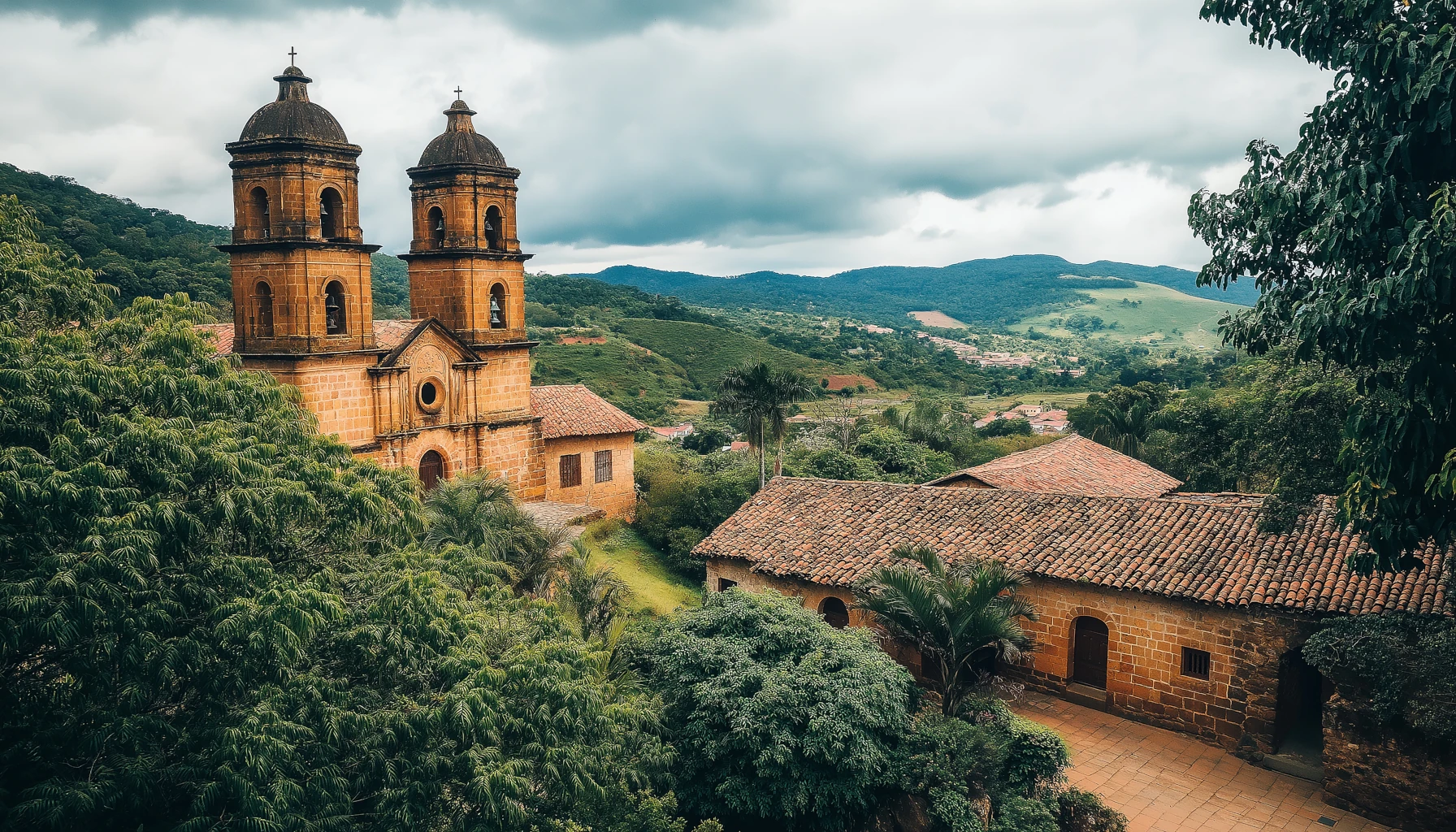
Santander Coffee: The Hidden Gem of Colombian Coffee Beans
When people think of Colombian coffee, regions like Huila, Quindío, or Tolima often come to mind. Yet, tucked away in the northeastern Andes lies Santander, a lesser-known but equally remarkable coffee-producing region. Santander is a hidden gem in Colombia’s coffee landscape, offering unique flavors, sustainable practices, and a rich cultural heritage that sets its coffee apart.
In this post, we’ll explore the history, flavor profiles, and sustainable practices of Santander coffee and why it deserves a prominent place on your coffee radar.
Santander’s Coffee History and Heritage
Santander’s coffee-growing tradition dates back to the late 19th century. The region’s mountainous terrain, moderate climate, and rich soils created the perfect environment for cultivating high-quality Arabica beans. Despite its potential, Santander remained overshadowed by larger coffee-producing regions until recent years when specialty coffee enthusiasts began to recognize its unique qualities.
Small-scale family farms dominate Santander’s coffee landscape. These farms often rely on traditional methods passed down through generations, creating a strong connection between the growers and their land. This dedication results in coffee that reflects the essence of Santander’s terroir.
The Unique Flavor Profile of Santander Coffee
Santander coffee is known for its distinctive flavor profile, which sets it apart from other Colombian coffees. Thanks to the region’s lower altitudes (900 to 1,600 meters above sea level), Santander coffee tends to have a milder acidity compared to coffees from higher-altitude regions like Huila or Nariño.
Flavor Notes:
- Nutty Undertones: Santander coffee often carries nutty and chocolaty flavors, making it a favorite for those who enjoy a smooth and comforting cup.
- Subtle Fruity Notes: Depending on the specific farm and processing method, you may detect hints of dried fruits, such as raisins or figs.
- Full-Bodied Finish: The coffee’s medium to full body and velvety texture enhance its drinkability and make it an excellent choice for espresso lovers.
Sustainable Practices in Santander Coffee Production
Shade-Grown Coffee
One of the hallmarks of Santander coffee is the use of shade-grown techniques. Coffee plants are grown under the canopy of native trees, which not only improves the flavor of the beans but also supports biodiversity by providing a habitat for birds and other wildlife.
Water-Saving Methods
Santander’s farmers are pioneers in water-efficient coffee processing. Many farms in the region have adopted eco-pulping techniques, which significantly reduce water usage during the washing process, addressing environmental concerns without compromising coffee quality.
Organic and Fair Trade Practices
An increasing number of Santander farms are embracing organic farming and fair trade certifications. These practices ensure that the coffee is grown without harmful chemicals and that farmers receive fair compensation for their work, fostering a sustainable coffee economy.
Santander’s Coffee-Producing Areas
Santander boasts several micro-regions, each contributing unique characteristics to its coffee:
Mesa de los Santos
One of the most famous coffee-growing areas in Santander, Mesa de los Santos is known for its high-quality organic coffee. Farms in this region often use artisanal methods to process their beans, resulting in complex flavor profiles that cater to specialty coffee markets.
Bucaramanga
The capital city of Santander, Bucaramanga, is surrounded by coffee farms producing beans with a balance of sweetness, acidity, and body. Coffee from this area is often used in blends to enhance their overall flavor and texture.
Vélez and San Gil
These smaller towns in Santander produce coffee that is celebrated for its smooth, chocolaty notes and medium body. The coffee here is typically grown on small farms, ensuring meticulous attention to quality.
Santander Coffee in the Global Market
While Santander coffee is still gaining recognition on the international stage, it has already made its mark in specialty coffee circles. Roasters and coffee enthusiasts appreciate its unique flavor profile and the sustainable practices behind its production. Some notable Santander coffee brands include Mesa de los Santos Coffee and other small-batch roasters that focus on organic and fair trade beans.
How to Experience Santander Coffee
Visit a Coffee Farm
Santander offers coffee tourism experiences similar to those in regions like Quindío but with a more off-the-beaten-path appeal. Farms such as Hacienda El Roble provide immersive tours that include walks through plantations, hands-on coffee processing lessons, and tastings of their exclusive beans.
Brew Santander Coffee at Home
To fully appreciate Santander coffee, experiment with brewing methods that highlight its unique characteristics. A French press or AeroPress brings out its full-bodied texture, while a pour-over method emphasizes its nutty and chocolaty flavors.
Why Santander Coffee Deserves Your Attention
Santander coffee is a testament to Colombia’s diversity in coffee production. It combines the best of tradition, sustainability, and innovation, resulting in beans that are both delicious and responsibly produced. Whether you’re a seasoned coffee connoisseur or a curious beginner, Santander coffee offers a unique experience worth exploring.
FAQ
1. What makes Santander coffee different from other Colombian coffees?
Santander coffee is grown at lower altitudes, resulting in milder acidity, a fuller body, and nutty, chocolaty flavor notes.
2. Is Santander coffee organic?
Many farms in Santander are certified organic and use eco-friendly farming methods, though not all are officially labeled. Always check the packaging for certifications.
3. Where can I buy Santander coffee?
Specialty coffee roasters and online retailers often carry Santander coffee. Look for single-origin beans from Mesa de los Santos or Bucaramanga.
4. Can I visit coffee farms in Santander?
Yes, many farms in Santander, such as Hacienda El Roble, offer coffee tours and workshops, providing an authentic experience.
5. What brewing method is best for Santander coffee?
Brewing methods like French press, AeroPress, and pour-over work well to highlight the rich body and nutty flavors of Santander coffee.
Santander’s coffee culture is a hidden gem waiting to be discovered. Its unique flavors, sustainable practices, and rich heritage make it a worthy addition to any coffee lover’s collection. Embark on a journey to Santander and savor the hidden treasure of Colombian coffee.